
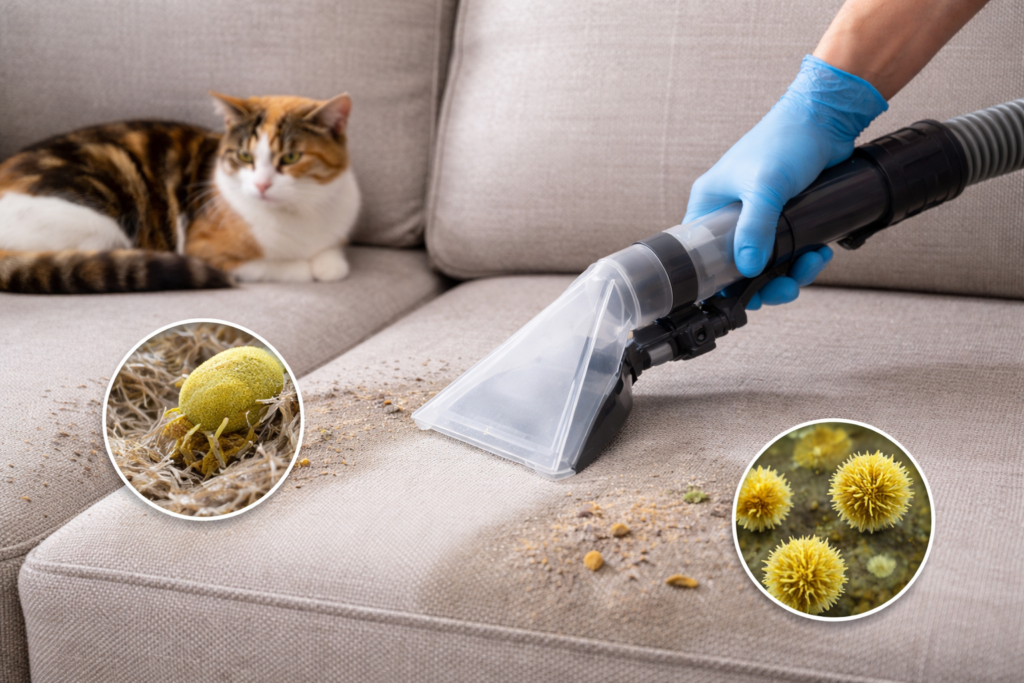
Upholstered furniture is used every day in most homes, which means it collects dust, body oils, pet hair, and microscopic particles over time. Sofas, armchairs, and fabric cushions often act like filters that trap airborne pollutants. Many homeowners do not realize that allergens slowly build up inside the fabric and padding of furniture. When people sit or move on a couch, these particles can become airborne again and circulate through the room. Professional upholstery cleaning allergens services help remove these contaminants from deep within the fabric, helping maintain a cleaner and healthier indoor environment.
Indoor air quality is closely connected to how clean household surfaces are, especially soft materials like upholstery. Dust, pollen, and pet dander settle into furniture throughout the day and gradually accumulate. Over time, this buildup can affect comfort for people who suffer from allergies or respiratory sensitivities. Upholstery cleaning removes embedded particles that normal cleaning cannot reach, helping reduce allergens that may otherwise remain trapped inside the furniture.
Common Allergens Found in Upholstered Furniture
Upholstered furniture can hold many types of allergens because of its layered structure and fabric surfaces. One of the most common allergens found in sofas and chairs is dust mites. These microscopic organisms thrive in warm environments where dust and skin particles are present. Upholstery provides an ideal environment for dust mites because the cushions collect organic material that these organisms feed on. More information about these organisms can be found in Dust mites, which explains how they commonly live in household fabrics and soft furnishings.
Pet dander is another common allergen trapped in upholstered furniture. Even if pets appear clean, they constantly shed tiny flakes of skin that can settle into fabric. These particles are extremely small and easily become embedded in cushions and seams. Over time, pet dander accumulates and may trigger allergic reactions in sensitive individuals.
Pollen is also frequently found in upholstery. During certain seasons, pollen enters the home through open windows, clothing, and pets that spend time outdoors. Once indoors, pollen settles on surfaces such as carpets, curtains, and furniture. Upholstered furniture becomes a storage area for these particles until they are removed through proper cleaning.
Why Upholstered Furniture Collects Allergens So Easily
The design of upholstered furniture makes it particularly effective at trapping contaminants. Fabric materials contain tiny openings between fibers that allow dust and debris to settle inside. Beneath the outer fabric, cushions contain layers of foam, padding, and support materials that provide even more space for particles to accumulate.
Everyday activities contribute to this buildup. People sit, lie down, or place clothing and bags on sofas and chairs. Each interaction introduces new particles such as dust from clothing fibers, pet hair, or outdoor pollutants carried indoors. These particles gradually move deeper into the furniture as the cushions compress and expand during use.
Air circulation inside the home also plays a role. Heating and cooling systems move air throughout the house, carrying microscopic particles that eventually settle on furniture surfaces. Because upholstery is porous, these particles do not remain on the surface for long. Instead, they sink into the fabric where they become difficult to remove without specialized cleaning methods.
Why Vacuuming Alone Is Not Enough
Many homeowners attempt to maintain clean furniture by vacuuming it regularly. While vacuuming helps remove visible debris such as crumbs and surface dust, it usually cannot reach deep into the upholstery layers. Standard vacuum attachments mainly clean the outer surface of the fabric, leaving deeper contaminants untouched.
Microscopic allergens like dust mites and pet dander often remain embedded within cushions and padding. These particles are small enough to move deeper into the upholstery structure where household vacuums cannot effectively remove them. As a result, allergens continue to accumulate even when furniture is vacuumed frequently.
Vacuuming also cannot remove certain residues that contribute to allergen buildup. Body oils, moisture, and food spills may seep into fabric fibers and combine with dust particles. This mixture can create conditions that allow microorganisms to thrive inside the upholstery. Without deeper cleaning techniques, these contaminants remain trapped within the furniture.
How Professional Upholstery Cleaning Removes Allergens
Professional upholstery cleaning uses specialized equipment designed to remove contaminants from deep within furniture fabrics. One of the most effective techniques is hot water extraction. This process involves applying heated water and cleaning solution into the upholstery fabric and then extracting it along with dirt and debris.
The heat and pressure help loosen particles that are embedded deep inside the fibers and cushioning. Once these particles are dislodged, powerful extraction equipment removes them along with the cleaning solution. This method reaches areas that standard household cleaning tools cannot access.
Professional technicians also adjust the cleaning method depending on the type of fabric used in the furniture. Delicate materials require gentle cleaning solutions and controlled pressure to avoid damage while still removing contaminants effectively. By using specialized equipment and techniques, professional upholstery cleaning helps remove allergens, dust, and other pollutants that accumulate inside furniture over time.
Another advantage of professional cleaning is odor removal. Trapped dust, pet hair, and moisture can create unpleasant smells within upholstery. By removing these contaminants, professional cleaning restores freshness to furniture and improves the overall comfort of the home.
How Upholstery Cleaning Improves Indoor Air Quality
Furniture that contains large amounts of dust and allergens can affect indoor air quality. Whenever someone sits down or moves on a sofa, particles trapped in the fabric may become airborne. These particles can circulate throughout the room and be inhaled by occupants.
Professional upholstery cleaning reduces this issue by removing the particles that would otherwise be released into the air. By eliminating dust mites, pet dander, and pollen from furniture, the overall level of airborne allergens in the home can decrease.
Medical sources discussing Indoor allergy triggers explain that indoor allergens are common causes of sneezing, nasal congestion, and respiratory irritation. Reducing these allergens within household surfaces can help improve comfort for individuals who are sensitive to environmental triggers.
Improving indoor air quality is particularly important in homes where family members spend significant time indoors. Clean furniture helps create a healthier living space by limiting the circulation of irritants within the air.
Removing Allergens From Furniture and Indoor Air
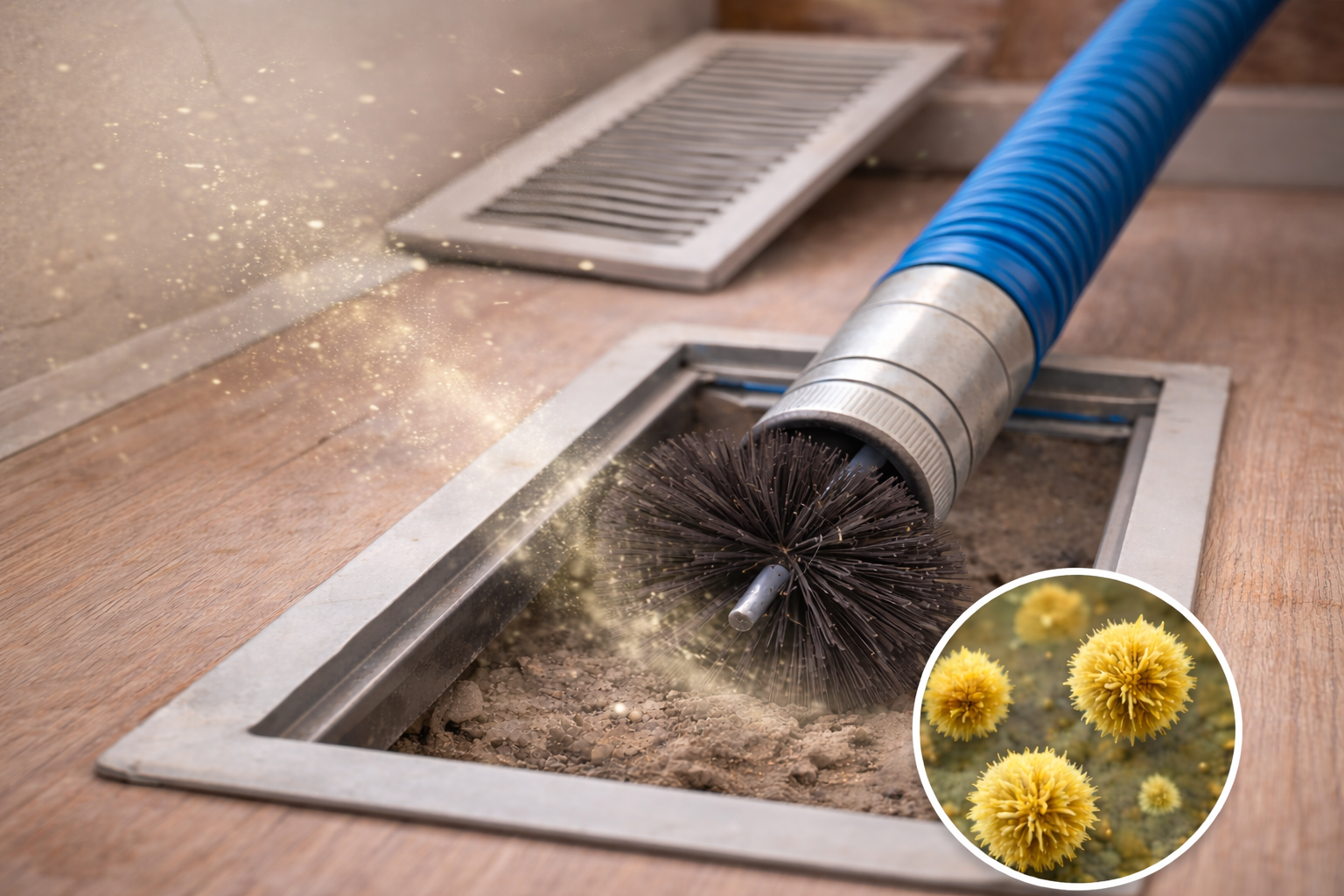
Removing allergens from upholstered furniture is an important step in maintaining a healthy home, but it is also important to consider other sources of indoor contamination. Dust particles and microscopic debris often travel through the ventilation system of a home. As air circulates through ducts and vents, these particles can settle again on furniture, carpets, and other surfaces.
Because of this cycle, homeowners sometimes combine upholstery cleaning with services that address airborne contaminants as well. Cleaning systems that handle dust mites furniture removal can help reduce the movement of allergens through indoor air circulation. By addressing both furniture surfaces and ventilation systems, households can limit the spread of dust and microscopic particles throughout the home.
Who Benefits Most From Upholstery Cleaning
Many households benefit from professional upholstery cleaning, especially those where allergens tend to accumulate quickly. Allergy sufferers often notice improvements in comfort after removing dust mites and pet dander from frequently used furniture. Sofas and chairs are common locations where people spend long periods, so reducing allergen exposure in these areas can make a noticeable difference.
Homes with pets also experience faster buildup of contaminants in furniture. Pet fur and dander easily settle into upholstery and remain trapped there. Even regular grooming cannot completely prevent these particles from collecting in cushions and fabric surfaces.
Families with young children may also benefit from maintaining clean upholstery. Children often sit, play, or lie down on sofas and chairs throughout the day. Ensuring that furniture remains clean and free from excessive dust and allergens helps create a more comfortable indoor environment.
Conclusion
Upholstered furniture can hold a surprising amount of hidden contaminants that affect indoor cleanliness and comfort. Dust mites, pet dander, and pollen easily settle into fabric and cushions where they remain trapped for long periods. Although regular vacuuming removes some surface debris, it does not reach the deeper layers where many allergens accumulate.
Professional upholstery cleaning provides a more thorough solution by extracting contaminants from deep within the fabric and padding. By removing embedded dirt, allergens, and odors, this cleaning process helps improve indoor hygiene and air quality.
Regular maintenance and periodic professional cleaning can significantly reduce the buildup of allergens in furniture. For households concerned about indoor air quality, keeping upholstery clean is an important step toward maintaining a healthier and more comfortable home environment.


