

Modern homes are designed for comfort, relaxation, and convenience. Sofas and couches have become the central hub of everyday life, whether it is watching television, working remotely, eating meals, or spending time with family. Over time, this constant use leads to upholstery wear that slowly reduces both the comfort and appearance of your furniture. If you have noticed sagging cushions, faded fabric, or persistent odors, it may be time to consider professional care. For expert help, upholstery wear solutions are available to restore and protect your furniture investment.
Why Modern Indoor Living Accelerates Upholstery Wear
Increased daily usage of sofas and couches has dramatically changed how quickly furniture ages. In the past, living rooms were reserved for guests or occasional gatherings. Today, sofas are used from morning to night. Children jump on them, adults nap on them, and pets treat them like their own beds. This continuous activity creates pressure points that break down padding and stretch fabric fibers.
Eating, working, and resting on upholstered furniture further intensifies the damage. Crumbs settle between cushions, coffee spills seep into fabric layers, and body oils accumulate with daily contact. Over time, these small factors combine and lead to visible discoloration and weakening of materials. According to Upholstery, upholstered furniture consists of padding, springs, webbing, and fabric or leather coverings, all of which can deteriorate when exposed to repeated stress and contaminants.
Limited airflow around furniture also contributes to faster wear. Many sofas are placed against walls or in corners, restricting air circulation. This creates a microenvironment where dust, moisture, and allergens accumulate. Without proper ventilation and cleaning, fabric fibers weaken and odors develop.
How Fabric Fibers Break Down Over Time
Friction from sitting and movement is one of the leading causes of sofa fabric damage. Each time someone sits down or shifts position, tiny abrasive forces act on the fibers. While these forces are minimal individually, repeated motion over months and years gradually thins the material. High traffic areas such as seat cushions and armrests usually show wear first.
Body oils absorbing into fabric further accelerate deterioration. Natural oils from skin transfer onto upholstery every time someone sits or reclines. These oils attract dust and dirt particles, forming a sticky residue that embeds deep within fibers. As this buildup increases, fabric loses its original texture and begins to appear dull or greasy.
Dust and debris settling deep into cushions add another layer of stress. Microscopic particles act like sandpaper within the fabric structure. Each time you sit down, these particles grind against fibers from the inside. This internal abrasion weakens threads and contributes to premature tearing or thinning.
Over time, all these elements combine to create couch wear and tear that is difficult to reverse without professional intervention. Vacuuming the surface helps temporarily, but it rarely removes deeply embedded contaminants.
The Impact of Pets, Food, and Moisture
Pet hair and dander embedding into upholstery is a common issue in modern households. Even if pets are well groomed, they naturally shed hair and skin cells. These particles sink into the fabric and mix with dust and oils. Over time, they can cause discoloration, odor buildup, and allergic reactions for sensitive individuals.
Food spills and residue buildup create another hidden problem. Small spills often seem harmless at first. A drop of juice or a crumb from a snack may not appear significant. However, when residue penetrates the padding beneath the fabric, it can lead to bacterial growth and persistent smells. Sugary spills are especially problematic because they attract more dirt and harden fibers as they dry.
When moisture combines with dirt and oils, the breakdown of materials accelerates. Fabric may feel stiff, cushions may lose their shape, and unpleasant odors become more noticeable over time.
How Professional Upholstery Cleaning Helps
Deep extraction beyond surface cleaning is one of the biggest advantages of professional services. Standard household vacuums remove visible debris, but they do not extract contaminants embedded deep within the padding. Professional equipment uses controlled pressure and specialized solutions to lift dirt, oils, allergens, and bacteria from the inner layers of the upholstery.
Restoring fabric appearance is another key benefit. Once deep seated grime is removed, colors often appear brighter and textures feel softer. Professional cleaning can reduce visible stains, refresh dull areas, and improve the overall look of your furniture without harsh scrubbing that might cause further sofa fabric damage.
Extending furniture lifespan is perhaps the most important outcome. Regular maintenance reduces friction from embedded particles and prevents buildup that weakens fibers. Instead of replacing a sofa every few years, homeowners can maintain their existing furniture in good condition for a longer period.
AAA Miracle has been serving Vancouver since 2004 with trusted residential cleaning services. Their trained technicians use eco safe equipment to remove dirt, stains, allergens, and odors effectively while protecting delicate fabrics.
Why Upholstery Maintenance Should Be Routine
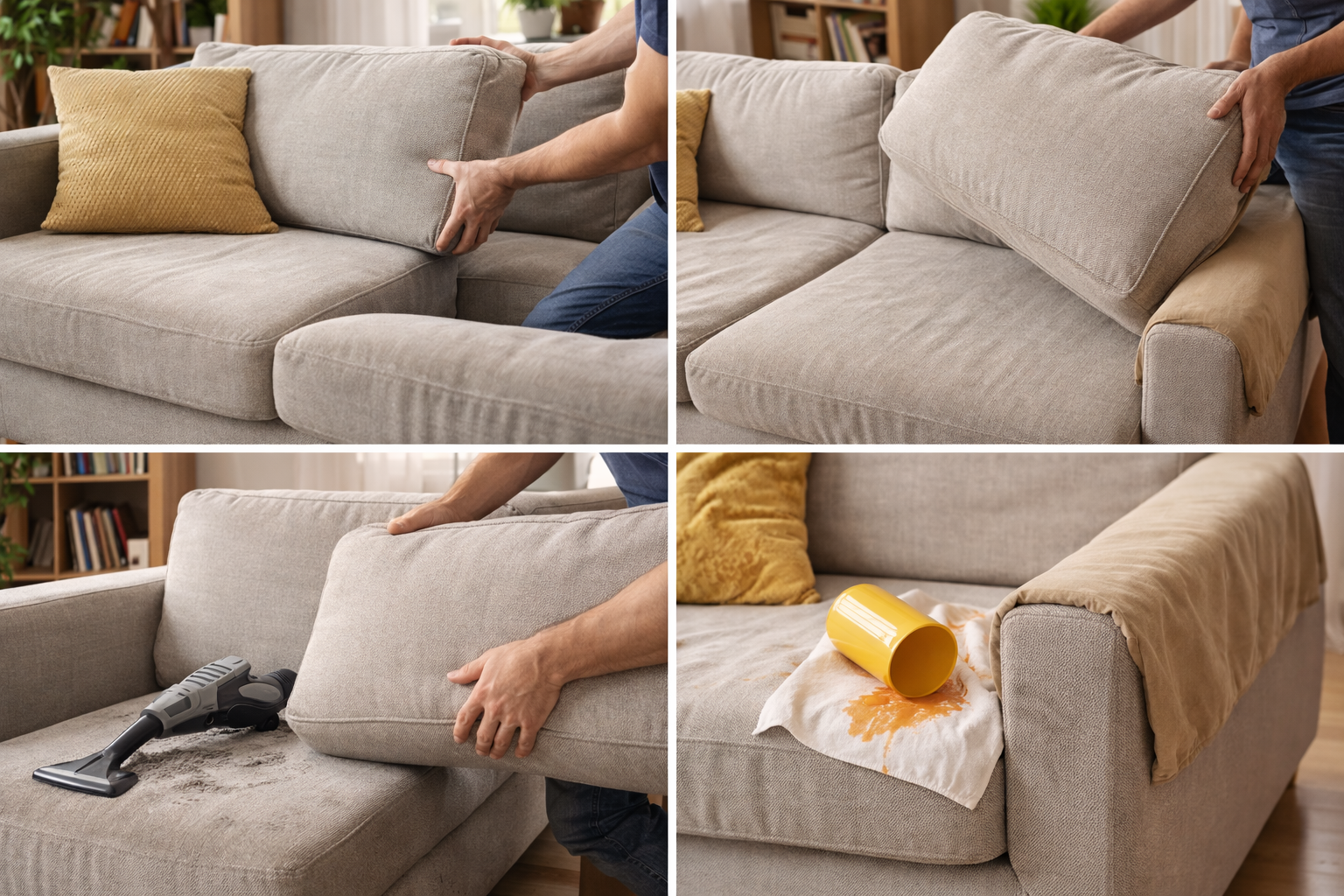
Many people wait until furniture looks visibly dirty before taking action. However, by the time stains and odors become obvious, deeper layers are often already affected. Preventative care is far more effective than reactive cleaning. Scheduling periodic professional services helps reduce long term damage and maintain a healthier indoor environment.
In addition to professional services, simple daily habits can make a significant difference. Rotating cushions distribute wear evenly. Using armrest covers in high contact areas reduces friction. Vacuuming weekly removes surface debris before it becomes embedded. Addressing spills immediately prevents moisture from seeping into padding.
If your home already receives regular carpet maintenance, combining it with upholstery maintenance through creates a complete cleaning strategy. Carpets and sofas collect similar allergens and debris, so maintaining both improves indoor air quality and reduces overall couch wear and tear.
Frequently Asked Questions About Upholstery Wear and Cleaning
How often should upholstery be professionally cleaned in Vancouver homes?
Most Vancouver homeowners should schedule professional upholstery cleaning every 12 to 18 months. Homes with pets, children, or high daily usage may need cleaning every 6 to 12 months. Frequent use accelerates upholstery wear by embedding oils, dust, and allergens deep into fabric layers. Routine professional extraction prevents long term fiber breakdown and extends the life of sofas and couches.
Can professional upholstery cleaning remove deep couch odors permanently?
Yes, when performed correctly with deep extraction equipment. Odors usually originate from body oils, pet dander, food spills, and trapped moisture inside cushions. Surface sprays only mask smells temporarily. Professional cleaning removes the bacteria and organic residue causing the odor, which significantly reduces or eliminates persistent smells.
What causes sofas to wear out faster than expected?
The main causes include friction from daily sitting, accumulated dust acting as abrasive particles, body oils weakening fibers, pet hair embedding into fabric, and moisture retention. Limited airflow in modern living spaces also contributes. These combined factors accelerate couch wear and tear even if the sofa looks clean on the surface.
Is upholstery cleaning safe for delicate fabrics?
Yes, when handled by trained professionals who assess fabric type first. Different materials require different cleaning methods. Using incorrect DIY solutions can cause shrinkage, discoloration, or fabric distortion. Professional technicians adjust pressure, temperature, and cleaning agents based on upholstery material to avoid damage.
Does upholstery cleaning improve indoor air quality?
Yes. Upholstered furniture traps allergens such as dust mites, pet dander, pollen, and microscopic debris. When disturbed, these particles become airborne and affect indoor air quality. Deep professional cleaning removes embedded allergens, helping create a healthier living environment for families, especially those with allergies or respiratory sensitivities.


