
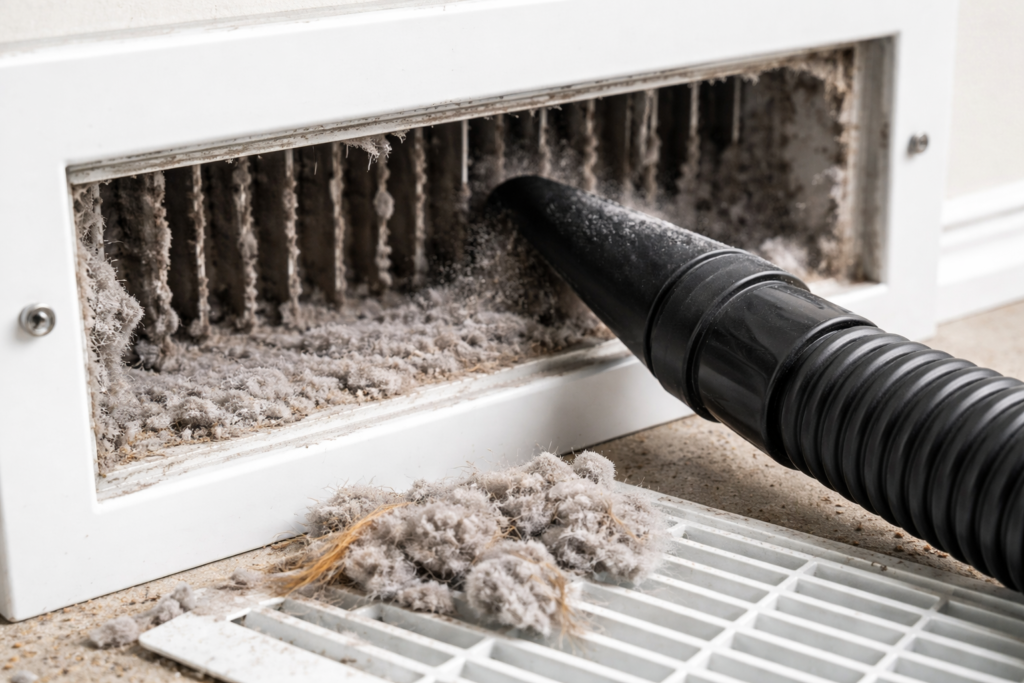
Indoor air quality plays a major role in how you feel every day, especially if you or your family members suffer from allergies. Many homeowners overlook one hidden source of allergens inside their homes, which is the air duct system. If you are noticing persistent symptoms, it may be time to look deeper. Dirty air duct symptoms are often the root cause of worsening indoor allergies, as dust, pollen, and contaminants circulate repeatedly through your living space.
Common Allergy Symptoms Triggered Indoors
When your air ducts are contaminated, your home can become a constant source of allergens instead of a safe, clean environment. Many people assume their symptoms are seasonal, but indoor triggers can be just as harmful. You may notice frequent sneezing, nasal congestion, itchy eyes, and throat irritation that do not improve even when you stay indoors. These symptoms are often confused with outdoor allergies, but the real issue could be circulating inside your HVAC system.
In more serious cases, individuals with asthma may experience worsening symptoms such as shortness of breath, chest tightness, or frequent flare-ups. Children and elderly family members are especially vulnerable because their immune systems are more sensitive to airborne irritants. According to Indoor allergens Canada, common indoor pollutants include dust mites, mold spores, and pet dander, all of which can accumulate in air ducts over time.
How Dirty Air Ducts Circulate Allergens
Your HVAC system is designed to circulate air throughout your home, but when ducts are dirty, they distribute contaminants instead of clean air. Every time your heating or cooling system runs, it pulls in air along with particles such as dust, pollen, and pet dander. These particles settle inside the ductwork and build up layer by layer.
Over time, this buildup becomes a continuous cycle. As air flows through the ducts, it picks up these allergens and spreads them into every room. This is especially problematic during peak usage seasons when your HVAC system is running more frequently. If you have pets, the issue can worsen as hair and dander easily get trapped and recirculated.
Another overlooked factor is moisture. When moisture enters your duct system, it creates the perfect environment for mold growth. Mold spores can then spread through the air, leading to serious respiratory issues. You can learn more about health impacts from indoor allergens through Allergic rhinitis, which explains how airborne particles trigger immune responses.
Visual and Sensory Warning Signs
Many homeowners do not realize their air ducts are contaminated until clear signs begin to appear. One of the most obvious indicators is visible dust buildup around air vents. If you notice dust collecting quickly even after cleaning, it may be coming from inside your duct system.
Another common sign is a musty or stale odor when your HVAC system is running. This smell can indicate mold, mildew, or trapped debris inside the ducts. These odors not only affect comfort but also signal potential health risks.
Uneven airflow is another warning sign that should not be ignored. If some rooms feel stuffy while others receive proper airflow, it could mean blockages or buildup inside the ducts. Reduced efficiency not only affects comfort but also increases energy costs as your system works harder to maintain temperature.
You might also notice an increase in allergy symptoms when the HVAC system is on, and some relief when it is off. This pattern strongly suggests that your duct system is contributing to poor indoor air quality.
The Hidden Impact on Your Health and Home
Dirty air ducts do more than just trigger allergies. They can impact your overall health and the cleanliness of your home. Continuous exposure to airborne contaminants can weaken your immune system over time, making you more susceptible to illnesses.
In addition to health concerns, dirty ducts can also affect your home environment. Dust settling on furniture, electronics, and surfaces can increase cleaning efforts and reduce indoor comfort. For homeowners in Vancouver and surrounding areas, where seasonal changes can trap indoor air, maintaining clean ducts becomes even more important.
Energy efficiency is another factor to consider. When ducts are clogged with debris, your HVAC system has to work harder to push air through, leading to higher energy bills and potential wear and tear on the system. Regular maintenance and cleaning can help improve efficiency and extend the lifespan of your equipment.
Why Ignoring the Problem Makes It Worse
One common mistake homeowners make is delaying duct cleaning because the problem is not immediately visible. Unlike other home maintenance issues, dirty air ducts can go unnoticed for years while continuously affecting indoor air quality.
The longer contaminants remain in your ducts, the more they accumulate. This increases the concentration of allergens circulating in your home and makes symptoms more severe over time. In extreme cases, it can even lead to mold infestations that require more extensive and costly remediation.
Ignoring the issue can also impact resale value. Potential buyers are becoming more aware of indoor air quality, and a poorly maintained HVAC system can be a red flag during inspections. Addressing the problem early helps maintain both your health and your property value.
What Homeowners Should Do Next
If you suspect your air ducts are contributing to allergy symptoms, the first step is to assess the condition of your HVAC system. While basic inspection can be done visually by checking vents and airflow, a professional evaluation is recommended for accurate results.
Professional air duct cleaning services use specialized equipment to remove dust, debris, and contaminants from deep within the system. This process not only improves air quality but also enhances system performance. It is especially important for homes with pets, recent renovations, or occupants with allergies or respiratory conditions.
Regular maintenance should be part of your home care routine. Experts generally recommend cleaning air ducts every few years, depending on usage and environmental factors. Replacing air filters regularly and keeping your home clean can also help reduce the buildup of contaminants.
In addition, maintaining proper humidity levels can prevent mold growth inside ducts. Using dehumidifiers and ensuring proper ventilation can make a significant difference in indoor air quality.
When to Consider Professional Help
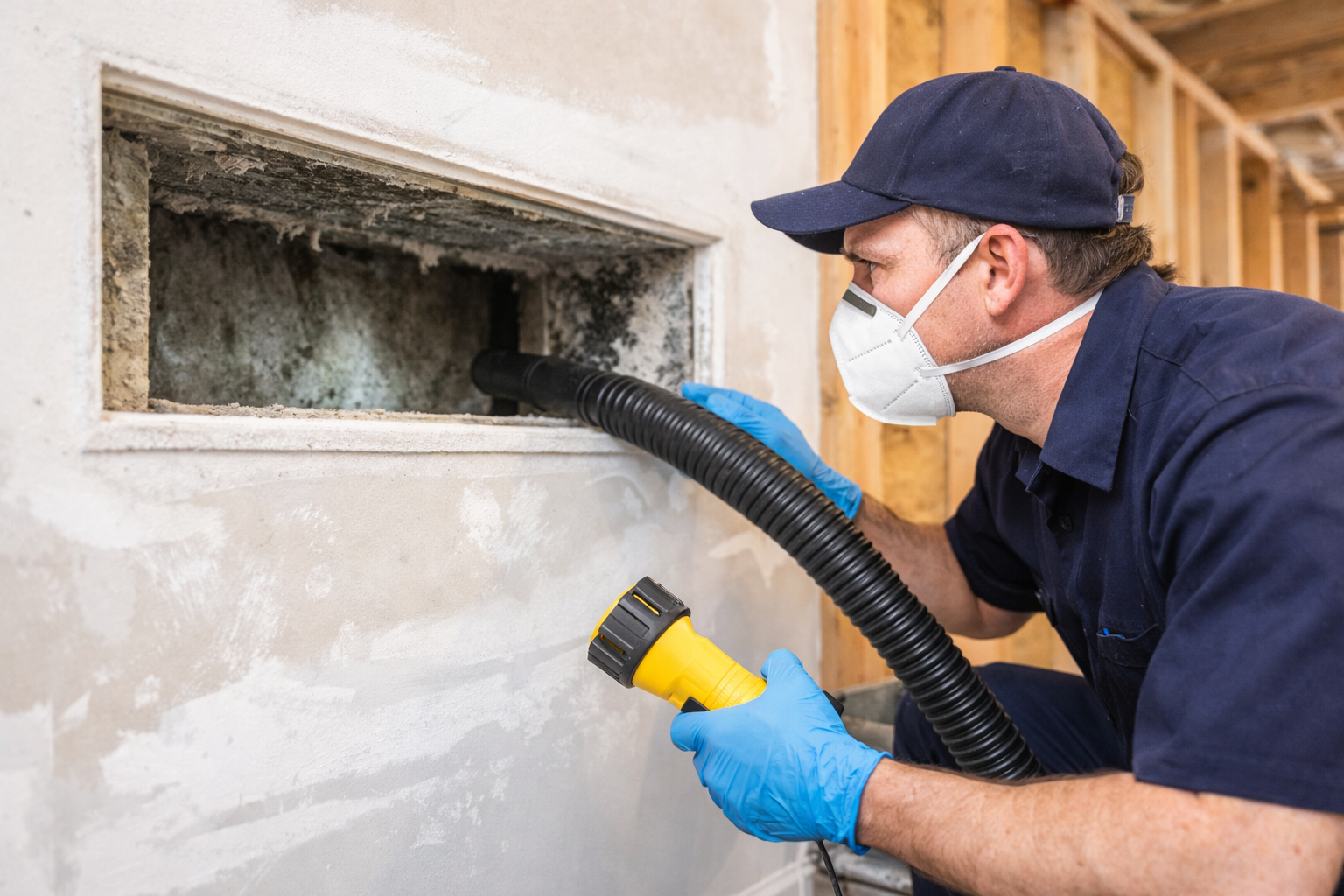
There are certain situations where professional cleaning becomes essential rather than optional. If you notice persistent allergy symptoms, visible mold growth, or excessive dust despite regular cleaning, it is time to take action.
Homes that have undergone construction or renovation are also at higher risk of duct contamination due to debris and dust entering the system. Similarly, older homes with outdated HVAC systems may require more frequent cleaning to maintain air quality.
Choosing a reliable service provider ensures that the job is done thoroughly and safely. Proper cleaning techniques prevent damage to the duct system and ensure that contaminants are fully removed rather than redistributed.
Final Thoughts on Indoor Air Quality and Allergies
Maintaining clean air ducts is not just about comfort but also about protecting your health. Indoor air pollution can often be more harmful than outdoor air, especially when contaminants are constantly recirculated. Addressing the issue early can prevent long-term health problems and improve your overall quality of life.
If you have been experiencing unexplained allergy symptoms, your air ducts could be the hidden culprit. Taking proactive steps to inspect and clean your system can make a noticeable difference in how you feel every day. For homeowners looking to improve indoor air quality, combining duct maintenance with services like Clothes Dryer Vent Cleaning Service can further reduce airborne contaminants and improve overall home safety.


