

Living with pets adds warmth and personality to your home. However, it also increases the amount of dirt, hair, and allergens that settle into your carpet every day. Even if the surface looks clean, deep inside the fibers there may be trapped debris that affects air quality and hygiene. For this reason, scheduling professional carpet cleaning services becomes especially important in pet households.
Most homeowners ask a simple question: how often should carpets be cleaned when you have pets? While annual cleaning may work for homes without animals, it is rarely enough for pet owners. In most cases, carpets should be professionally cleaned every three to six months. The exact frequency depends on shedding levels, indoor activity, and the number of pets in the home.
Understanding how pets affect carpet fibers helps explain why this shorter schedule matters.
Why Carpets in Pet Homes Get Dirty Faster
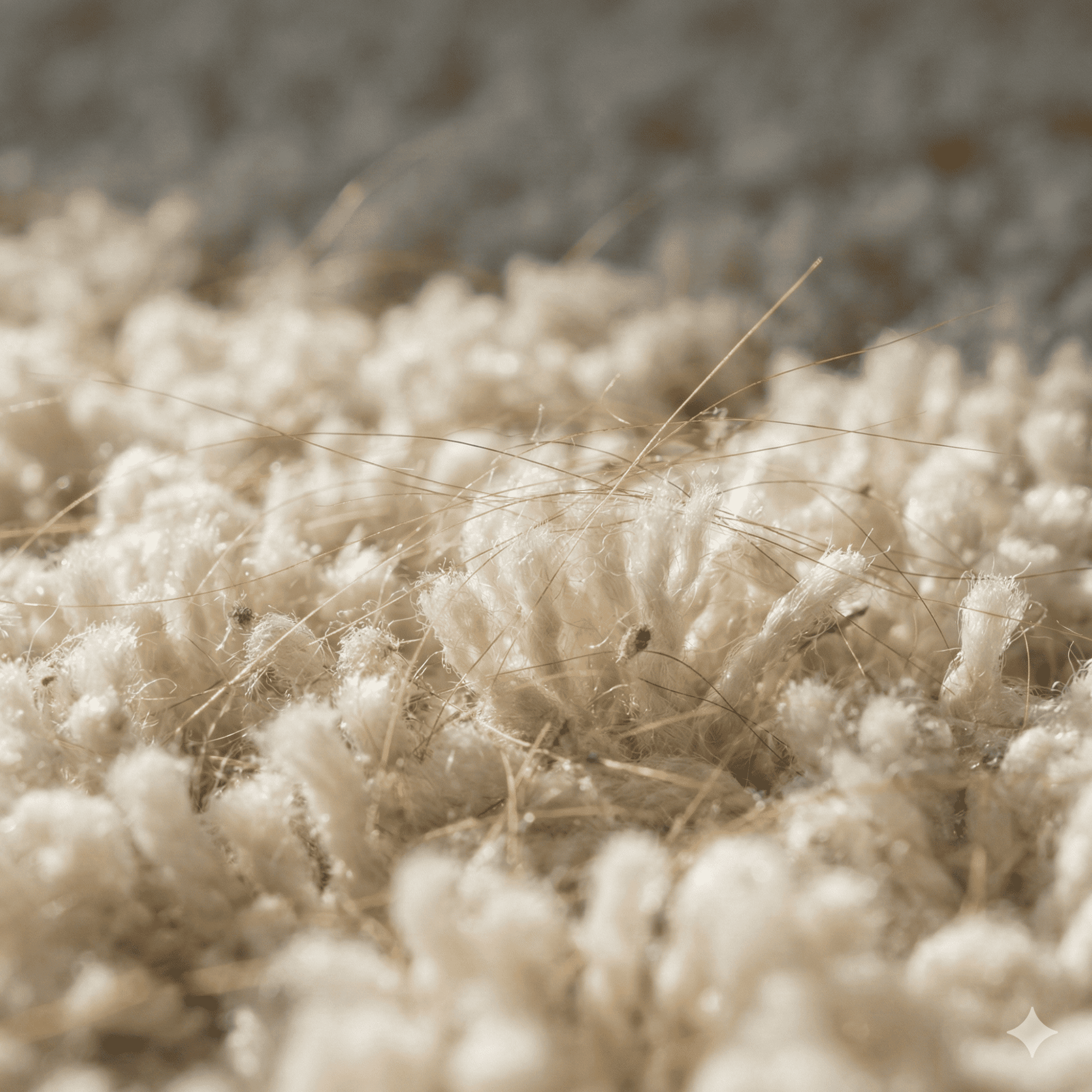
Carpet fibers naturally trap particles. This design helps prevent dust from constantly floating in the air. However, in homes with pets, this trapping process happens at a much faster rate.
Hair is the most noticeable issue. Although regular vacuuming removes surface hair, much of it becomes woven deep into the fibers. Over time, dog hair carpet buildup causes the carpet to look flattened and worn. In addition, trapped hair holds onto moisture and attracts more dirt, which accelerates contamination.
Beyond visible hair, pets continuously shed microscopic skin flakes known as Pet dander. These particles are extremely light and settle deep inside the carpet structure. When mixed with natural body oils, they create a layer that attracts dust and bacteria. As this buildup increases, pet odor carpet issues gradually develop. Often, homeowners notice the smell only when humidity rises or when the carpet becomes slightly damp.
Regular pet grooming and home hygiene are strongly connected, especially in Canadian households where pets spend more time indoors during colder months. According to the Canadian Veterinary Medical Association, routine grooming and proper home cleanliness help reduce shedding, dander buildup, and odor concerns. When pets are groomed consistently, less hair and debris settle deep into carpet fibers, which supports better indoor air quality and makes professional carpet cleaning more effective.
How Pet Dander and Hair Affect Indoor Air Quality

Indoor air quality is directly connected to carpet cleanliness. Because carpets collect airborne particles, they influence what circulates through your home.
Initially, carpets hold dust, pollen, and pet dander in carpet fibers, which may temporarily reduce airborne allergens. However, once the fibers become saturated, everyday movement releases these particles back into the air. Walking, vacuuming, or even sitting on furniture can disturb trapped debris.
Consequently, households with pets often experience more frequent sneezing, mild congestion, or irritation. This effect becomes more noticeable during colder months when windows remain closed and ventilation is limited.
According to the American Society for the Prevention of Cruelty to Animals, maintaining a clean indoor environment is part of responsible pet ownership. A hygienic home benefits both animals and people, particularly in shared living spaces.
Carpet Cleaning Frequency Based on Pet Type
Although general guidelines are helpful, cleaning schedules should match your specific household conditions.
Homes with one outdoor dog typically require professional cleaning at least every six months. Dogs track in dirt, bacteria, and moisture even with regular paw cleaning. If shedding is heavy or if the dog spends significant time indoors on carpeted surfaces, cleaning every three to four months is often necessary.
Homes with one indoor cat may not experience as much outdoor dirt. However, shedding and litter particles still accumulate in fibers. In these cases, twice-per-year cleaning is usually sufficient. If multiple cats are present, quarterly cleaning becomes a safer approach due to increased dander levels.
In households with two or more pets, contamination builds up rapidly. Hair layers overlap, oils accumulate, and odor retention increases. Therefore, professional cleaning every three months helps prevent long-term fiber damage and persistent smell.
Seasonal Impact on Carpet Contamination
Weather plays a significant role in how quickly carpets become soiled. During rainy seasons, pets track additional moisture indoors. Damp conditions allow bacteria to multiply more easily within the carpet padding.
Similarly, during winter months, limited airflow can intensify pet odor carpet problems. Since windows remain closed, allergens circulate within the indoor environment rather than dispersing.
For this reason, many homeowners schedule seasonal deep cleaning before winter or during early spring to maintain freshness throughout the year.
Signs Your Carpet Needs Immediate Professional Cleaning
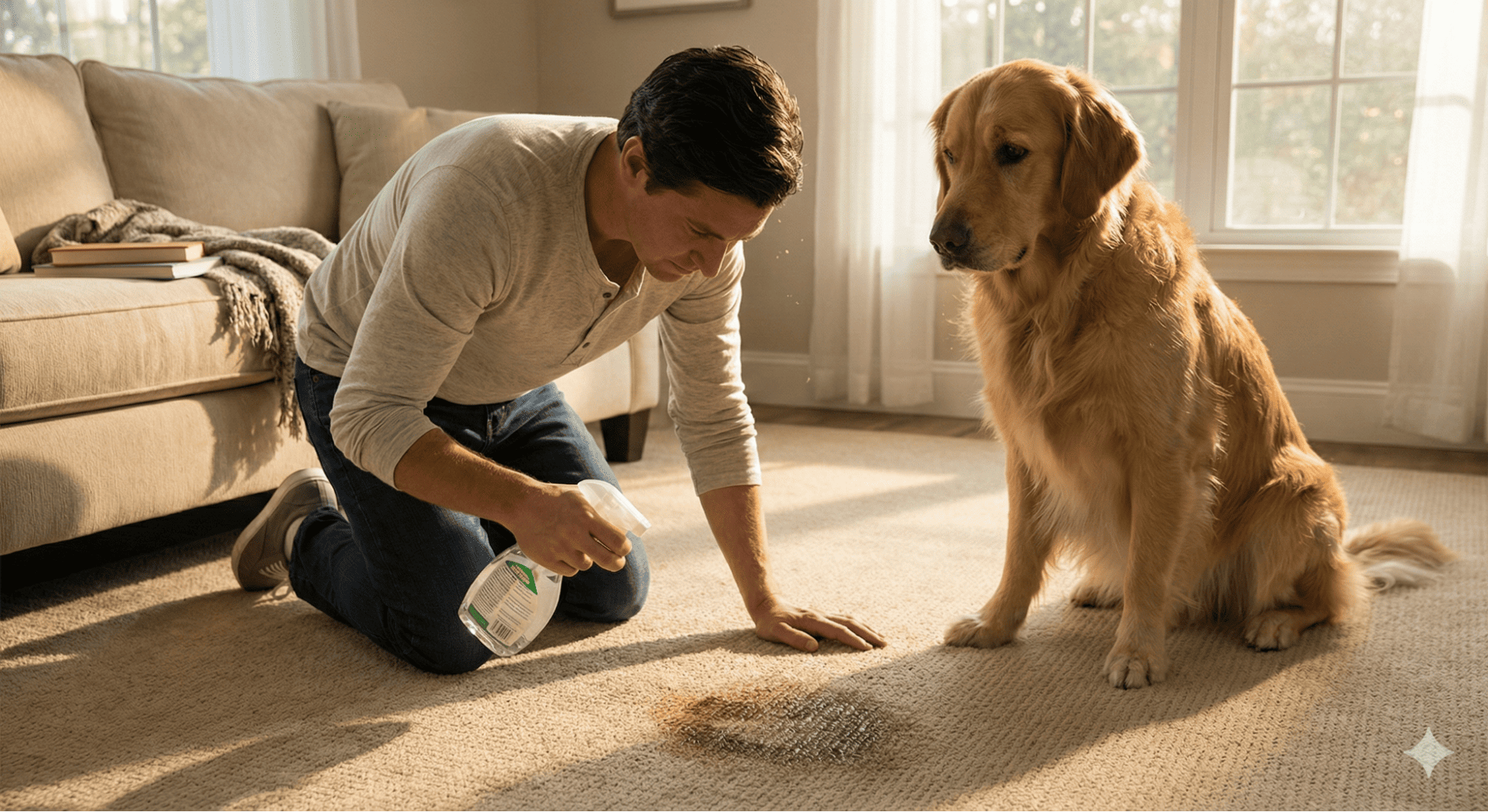
Even if you follow a schedule, certain warning signs indicate that cleaning should not be delayed.
Persistent odor that returns after vacuuming usually signals contamination beneath the surface. When stains darken or reappear after drying, residue likely remains in the padding. Additionally, if allergy symptoms worsen indoors, trapped debris may be contributing to poor air quality.
Ignoring these signs can lead to permanent fiber damage and more costly restoration later.
Do Not Overlook Upholstered Furniture
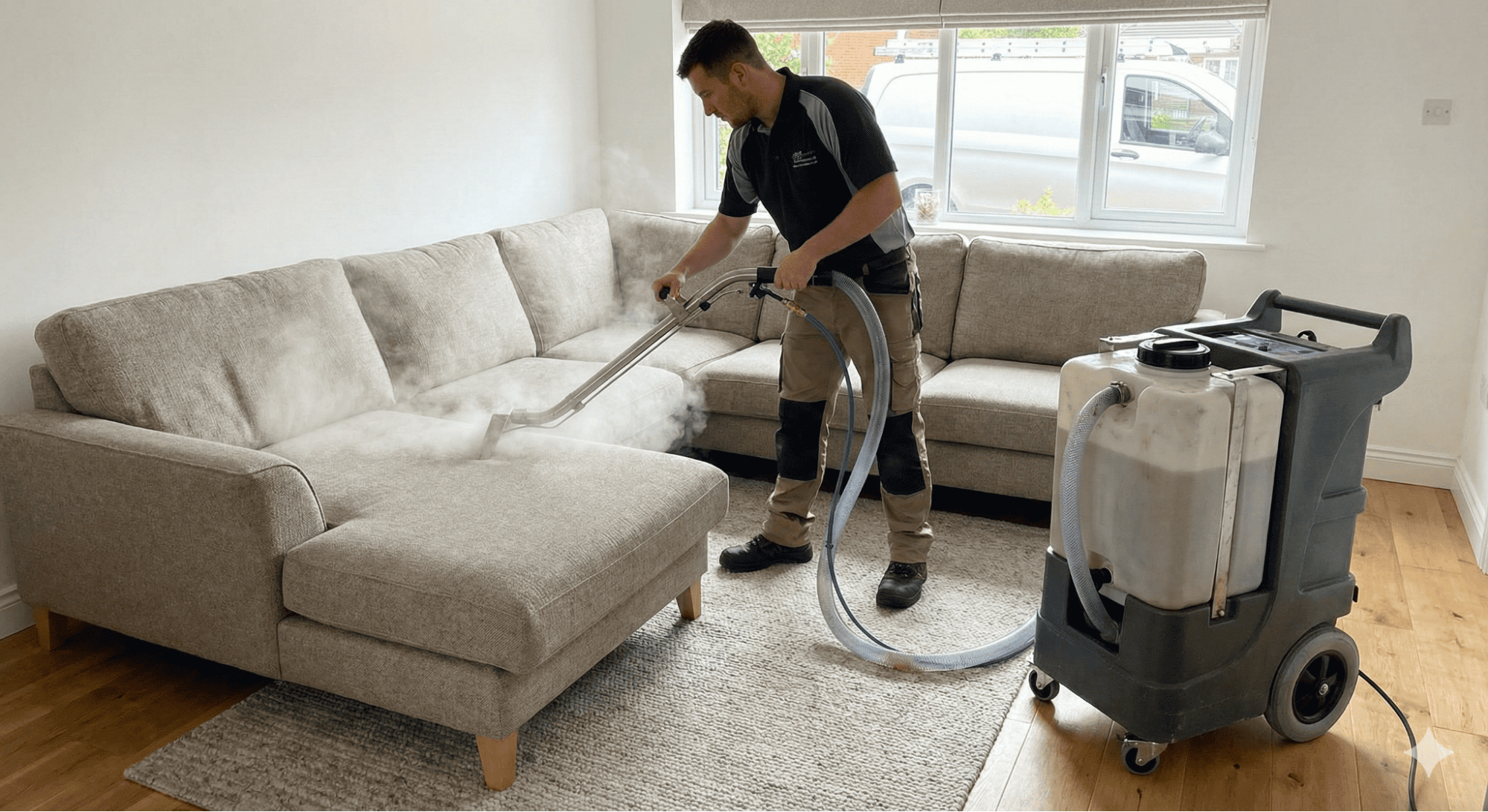
While carpets receive the most attention, upholstered furniture traps similar amounts of hair and dander. Cleaning the carpet alone may not fully remove odors from the room.
For complete indoor freshness, professional upholstery cleaning Vancouver is recommended alongside carpet service. Treating both surfaces ensures that hidden allergens are removed from the entire living space.
Long-Term Benefits of Routine Carpet Cleaning
Regular professional cleaning extends the lifespan of your carpet by removing abrasive particles that break down fibers. It also prevents deep odor buildup and reduces allergen accumulation.
Replacing carpet is significantly more expensive than maintaining it. Therefore, investing in scheduled cleaning every few months is both practical and cost-effective. In addition, improved air quality contributes to overall household comfort.
When carpets are properly maintained, they retain their texture, appearance, and structural integrity for many years.
FAQs About Carpet Cleaning in Homes With Pets
How often should you professionally clean carpets if you have dogs and cats?
If you have one pet, professional cleaning every six months is typically recommended. However, if you have multiple pets or heavy shedders, cleaning every three to four months is more effective. Homes with both dogs and cats usually require quarterly cleaning to prevent odor buildup and allergen accumulation.
Can pet dander stay on the carpet even after vacuuming?
Yes, vacuuming removes surface debris but does not eliminate deeply embedded pet dander in carpet fibers. Because dander particles are microscopic, they settle into the backing and padding. Professional hot water extraction is required to remove them effectively.
Does carpet cleaning remove pet urine smell completely?
Professional deep extraction can remove pet urine odor if treated early. However, if urine has soaked into the padding and remained untreated for long periods, additional odor neutralization treatments may be necessary. Prompt cleaning significantly improves results.
Is carpet safe for homes with pets and allergies?
Carpets can be safe if maintained properly. The key factor is regular professional cleaning. When carpets are cleaned every three to six months in pet households, allergen levels remain controlled and indoor air quality improves.
What is the best carpet cleaning method for pet owners?
Hot water extraction, commonly known as steam cleaning, is considered the most effective method for homes with pets. This process penetrates deep into fibers and removes embedded hair, oils, bacteria, and odor sources. Surface cleaning methods alone are not sufficient for long-term hygiene.


